Although the ambulance service itself is much older, the service as we know it today was formed on 1 July 2006, following the merger of the existing North East Ambulance Service with the Tees division of the Tees, East and North Yorkshire Ambulance Service (TENYAS).
Looking back to 2006, Facebook had only just opened to the public, YouTube was becoming the place to watch videos online, and Netflix was still posting DVDs through people’s letterboxes. Spotify didn’t exist, so if you wanted to listen to music, you were either buying a CD or convincing iTunes to take another 99p from your bank account.
Demand was already high for NEAS back then – managing around 362,000 emergency calls, 250,000 incidents attended, and over a million patient journeys that year.
It was reaching 76% of its most serious calls – then called category A calls – within the then target of eight minutes and had a total turnover of £73 million.
Since then, the ambulance service has grown from a transport-only model to one that has upskilled its clinical workforce to meet the changing needs of the population and NHS system. NEAS was also the first ambulance service to trial NHS Direct, which later became the NHS 111 service we know today.
Over the last year alone, the service answered more than 1.475m emergency 999 and NHS 111 calls, with more than 298,000 patients taken to hospital, more than 56,000 patients treated and discharged over the phone and more than 143,800 patients treated and discharged at home. It responded to more than 40,444 C1 serious and life-threatening incidents in an average time of 6 minutes 17 seconds.
Rather than being taken straight to the emergency department, more patients are now treated over the phone or in their own home and new pathways have been developed to provide better alternatives to A&E.
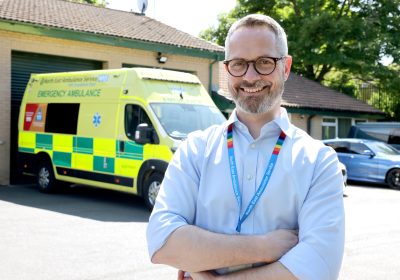
Andrew Hodge (pictured) joined what was then Northumbria Ambulance Service in March 1995. Having moved around the NHS in a variety of clinical roles, he returned to NEAS three years ago as the Trust’s first director of paramedicine, a new dedicated paramedic voice on the board to help guide the clinical direction of the service.
“When I look back at when I first qualified as a paramedic, for me it’s more of a reminder about what the paramedic could do compared to what we can do now,” he said.
“We were trained over six weeks to be an ambulance technician and a further 12 weeks to be a paramedic. We were focused on cannulation, intubation, life-saving drugs, cardiac arrest and trauma and I can remember taking every patient to hospital and not thinking once about why I’d taken them in. I think back now to some of the patients we took to hospital who would be fairly simple nowadays for the profession to think about managing in the community.
“Now we are much more broadly trained – yes for emergency care, but much more in the urgent care space – and are expected to be able to care for a broader range of clinical presentations.
“Whilst I can’t say what the ambulance service will look like in 20 years’ time, it will definitely need more diagnostics and innovations in technology and workforce to continue to meet the needs of the communities we serve.”
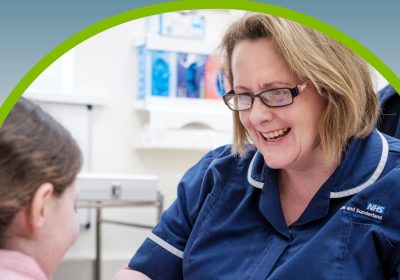
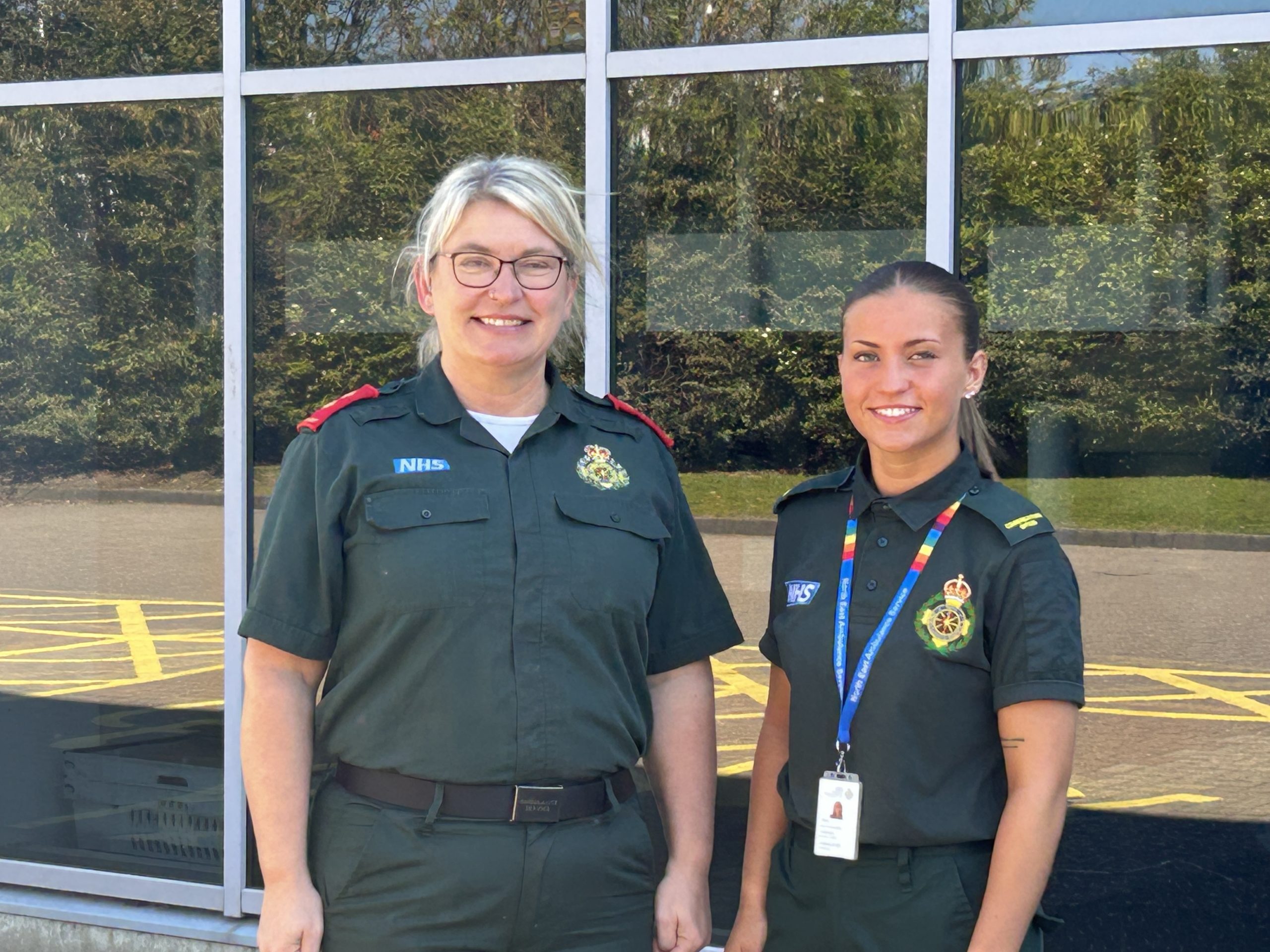
Sheila McLachlan has spent decades in the service, seeing it evolve into a profession focused on delivering the right care in the right place. Her daughter Amy Coatesworth joins a new generation, continuing a family connection to caring for others.
Sheila (pictured with Amy) said: “Every patient matters. Treat people how you’d want your own family to be treated.”
NEAS Chief Executive Kev Scollay said: “The progress that has been made in the last 20 years is staggering, particularly in regard to technology, equipment and the clinical skills of our workforce.
“The ambulance service has transformed into what was traditionally a ‘transport-only’ model into a multi-skilled organisation sitting at the heart of the NHS system, delivering highly skilled clinical care within the community and over the telephone.
“This anniversary provides us with a unique opportunity to take a pause and reflect on how far we have come over the last 20 years and, most importantly, to celebrate the people who make our service what it is, our amazing staff and volunteers.
“It also comes at a pivotal point for us in the year as we prepare to launch our new strategy, showing how our service aims to respond to the needs of our communities over the coming years.
“We have so much to be proud of as a service, and I look forward to seeing what the next 20 years hold for us.”