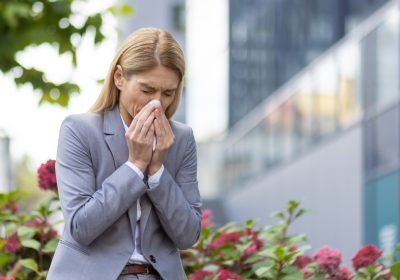
Visits to the hay fever advice on the NHS website have more than doubled in the past week as temperatures rise.
There were 12,990 visits to the hay fever page on nhs.uk from June 14 to 17, compared to 5,632 in the same period the week before, a rise of 131 per cent.
Duncan Burton, Chief Nursing Officer for England, said: “While I’m sure most people are delighted to be enjoying the warmth and sunshine at this time of year particularly during the World Cup, the warm weather does bring an increase in the pollen count that can cause discomfort for hay fever sufferers.
“Most people will be able to manage their symptoms with medication that is available off the shelf from community pharmacies and supermarkets, and the NHS website has more advice on how to deal with the discomfort.
“People should be careful not to double dose on medication which might make them drowsy particularly if planning to drive.”
There is currently no cure for hay fever, which usually hits between late March and September when the weather is warm, windy and humid, and the pollen count is at its highest.
The symptoms include sneezing, coughing, a runny or blocked nose, as well as red, itchy, or watery eyes. Sufferers can also experience headaches, earache or lose their sense of smell.
The NHS hay fever page details several ways people can ease their symptoms including staying indoors, keeping their windows shut, and coating their nostrils with Vaseline to trap the pollen.
The page also offers advice on different treatments available from pharmacists and recommends when people should seek help from their GP.
The NHS website, which is managed by NHS England, is the UK’s biggest health website.
How to treat hay fever yourself
DO
-
put petroleum jelly (such as Vaseline) around your nostrils to trap pollen
-
wear wraparound sunglasses, a mask or a wide-brimmed hat to stop pollen getting into your nose and eyes
-
shower and change your clothes after you have been outside to wash pollen off
-
keep windows and doors shut as much as possible
-
vacuum regularly and dust with a damp cloth
-
try to use a pollen filter in the air vents of your car, if you have one, and a HEPA filter in your vacuum cleaner
DON’T
-
do not cut grass or walk on grass
-
do not spend too much time outside
-
do not keep fresh flowers in the house
-
do not smoke or be around smoke – it makes your symptoms worse
-
do not dry clothes outside – they can catch pollen
-
do not let pets into the house if possible – they can carry pollen indoors
A pharmacist can help with hay fever
Speak to a pharmacist if you have hay fever. they can give you advice and suggest the best treatments to help with symptoms, such as:
- antihistamine drops, tablets or nasal sprays
- steroid nasal sprays
Some antihistamines can make you very sleepy, so speak to your pharmacist about non-drowsy antihistamines if you need to.