The Care Quality Commission (CQC) has a new duty under the Act to assess how local authorities work with their communities and partners to meet their responsibilities.
This includes promoting the wellbeing and independence of working age disabled adults, older people, and their unpaid carers to reduce their need for formal support where appropriate. Where support is needed it should provide people with choice and control of how their care needs are met.
CQC looked at nine areas spread across four themes to assess how well the authority is meeting their responsibilities in order to create their requires improvement rating. CQC has given each of these nine areas a score out of four with one being the evidence shows significant shortfalls, and four showing an exceptional standard.
Quality statement scores
Score (2 = requires improvement; 3 = good)
How the local authority works with people
Assessing people’s needs – 2
Supporting people to lead healthier lives – 2
Equity in experience and outcomes – 2
Providing support
Care provision, integration and continuity of care – 2
Partnership and communities – 3
How the local authority ensures safety in the system
Safe pathways, systems and transitions – 2
Safeguarding – 3
Leadership
Governance, management and sustainability – 2
Learning, improvement and innovation – 3
Chris Badger, CQC’s chief inspector of adult social care and integrated care, said: “At this assessment, we found South Tyneside Council needed to make improvements in how it provides access to adult social care services to people living in the area.
“Although it had been an unsettling time for staff leading up to the assessment, due to leadership changes as part of a restructure to improve services. Staff were working hard to try and support people. This was increasingly challenging for them as 45% of areas in South Tyneside were among the 20% most deprived in England.
“The experience of unpaid carers was mixed. Some people told us they’d had a quick response to their request for an assessment, whilst others didn’t feel listened to or that their needs were understood. Improvements were also needed to ensure carers were able to take a break from there caring role, to give them a rest and help with their wellbeing.
“We heard people whose first language wasn’t English experienced barriers in getting the information and help they needed. Although translation services were available, more work was needed to ensure people’s needs were met.
“However, the local authority was working well with partner organisation to provide better outcomes for people. We heard about positive experiences from people after they’d been discharged from hospital, either back home or to residential care settings. They felt safe and supported, and there’d been clear communication during the move from hospital.
“Also, the authority had good safeguarding systems and processes in place to make sure people were protected from abuse and neglect. 76% of people who used services felt safe compared to the England average of 71%.
“South Tyneside Council has already identified areas for improvement, including boosting staff morale following a period of change, and has started work to address this. We’ll continue to monitor progress and look forward to seeing how their future plans mature.”
The assessment team found:
- People told CQC there were gaps in support when moving from children to adults’ services. They felt there was a lack of help arranging accommodation for them, and they felt that adult social care services weren’t as interested in their individual needs as much as children’s services had been.
- People provided mixed feedback regarding direct payments. One carer had used a direct payment for a day out, highlighting the positive mental health impact. However, they stated that they often needed support from the authority to help with issues, as they found the process complicated.
- Some people with complex needs were placed out of the area, as their specialist care and support needs couldn’t be met in South Tyneside.
- Staff carrying out Care Act duties weren’t consistently able to demonstrate a good understanding of the range of cultural diversity within the area. However, work was being carried out to engage with different communities to improve this.
However:
- The authority worked well with voluntary organisations to support people who were experiencing drug and alcohol issues. This was having a positive impact on people’s wellbeing.
- The local authority learnt from people’s feedback about their experiences of care and support. This was helping to drive improvements.
- Staff had access to ongoing learning and support, including specialist training to help care and support people.
- The authority had a commitment to early intervention and prevention. For example, people could access urgent basic equipment the same day due to the See and Solve team.
The full report can be downloaded here.
South Tyneside Council response
South Tyneside Council said it has already made significant progress in addressing the areas of improvement which had already identified, including strengthened oversight of performance and risk, improvements in data quality and reporting, continued investment in prevention, and work to enhance support for unpaid carers. Much of this work was already underway ahead of the CQC visit.
In its statement the authority added that it will continue to work with staff, partners and residents to build on these improvements and deliver high quality, sustainable adult social care services.
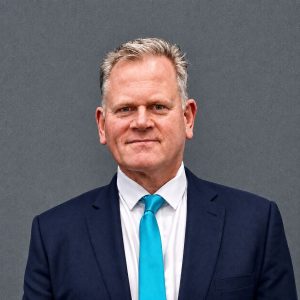 Coun Andy Heywood, Cabinet Member for Adults, Health and Independence at South Tyneside Council, (pictured) said: “We support thousands of residents every year in often complex and challenging circumstances. This report reflects a specific period in 2024/25 and identifies both strengths and areas for improvement.
“We had already identified many of these priorities ourselves and have had a structured improvement programme in place for over two years. Since then, we have continued to make progress, strengthening leadership, improving consistency and delivering better outcomes for residents. It is important to recognise the positive findings in the report, including our work on safeguarding, early intervention, partnership working and the compassionate, person-centred care delivered by our staff.
“We are incredibly proud of our workforce and the difference they make every day in complex and challenging circumstances. Like many councils in this first wave of assessments, we provided feedback on aspects of the process, and we welcome the improvements the CQC is making as it develops its approach. Our focus now is on continuing to build on the progress already made and ensuring people in South Tyneside receive the high-quality care and support they deserve.
“This is a service under pressure, not a service in crisis. Adult social care continues to operate in a highly challenging national context, with rising demand reflected locally with thousands of requests for support each year. We will continue to work closely with staff, partners, providers and residents as we take this forward, with a clear focus on improvement, impact and better outcomes for people in South Tyneside.”
Sources:
https://www.cqc.org.uk/care-services/local-authority-assessment-reports/southtyneside-0626/summary