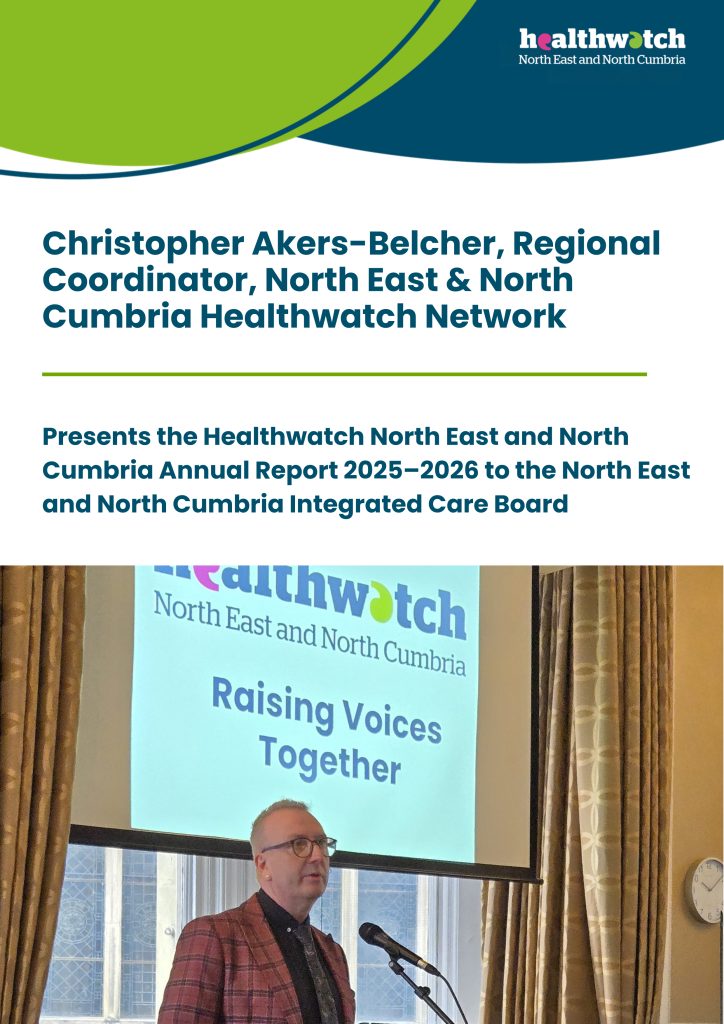
The impact of work by the 14 Healthwatch organisations across the region has been showcased in a new report presented to the North East and North Cumbria Integrated Care Board (ICB).
Christopher Akers-Belcher, Regional Coordinator for the North East and North Cumbria Healthwatch Network, presented the Network Annual Report to the ICB’s System Quality Group.
The report showcased how the 14 local Healthwatch organisations are working together to bring the voices of local people into system decision-making, helping shape services, influence policy and drive improvement across the region.
The presentation demonstrated how the Healthwatch network is helping to shape health and care improvement across the region through trusted community relationships, independent insight and lived experience intelligence.
Throughout the year, Healthwatch worked alongside system partners, providers, local authorities and communities to ensure services are developed and improved with people, not simply for them.
Across every project, people consistently told us about the importance of:
- Access to services when they need them
- Clear communication and information
- Continuity of care and support
- Inclusive and accessible services
- Understanding how their feedback has been used and acted upon
These themes continue to underpin many of the challenges and opportunities facing health and care services across the North East.
Key Areas of Impact During 2025–26
Primary Care Access
Healthwatch supported the rollout of Modern General Practice Access (MGPA) across the region, helping people understand changes to primary care and feeding back experiences of what was and wasn’t working. This highlighted ongoing challenges around continuity of care, digital exclusion and awareness of services such as Extended Access and Pharmacy First.
Shaping New Services Through Lived Experience
Working alongside the ICB, Healthwatch helped gather early insight to inform the design of WorkWell, ensuring that support for people with long-term health conditions reflected the realities of balancing health, employment, caring responsibilities and everyday life.
Reaching Communities Less Likely to Be Heard
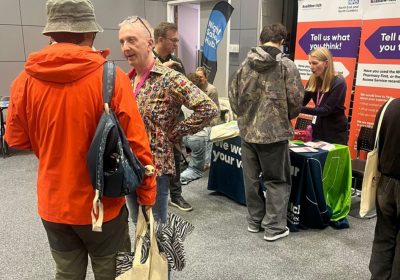
Healthwatch played an important role in supporting engagement around palliative and end-of-life care, helping ensure that people who may not participate in surveys or formal consultations were able to share their experiences and views through trusted conversations and community-based approaches.
Influencing National Policy
The network submitted a joint response to the national NHS Online consultation, drawing on experiences gathered from communities across the region. Healthwatch highlighted both the opportunities presented by digital services and the risks of widening inequalities if choice and accessibility are not protected.
Mental Health Rehabilitation
One of the most significant collaborative projects undertaken during the year examined mental health rehabilitation and recovery services across Tees Valley and County Durham. People spoke about long waits, fragmented care, poor communication and unsafe discharge arrangements, while clearly identifying the importance of continuity, relationships and community support in recovery. The resulting insight directly informed service improvement and future investment discussions.
University Hospitals Tees
Healthwatch continued supporting public involvement in the University Hospitals Tees Group Model. This work reinforced the importance of transparency, ongoing dialogue and a genuine “You Said, We Did” approach to engagement, helping maintain trust with local communities during a period of significant change.
Workforce Voices
Through the NIHR-funded Workforce Voices programme, Healthwatch helped shape more inclusive approaches to involving patients, staff and communities in national workforce research and development, improving accessibility and participation.
Dentistry
The network’s work on NHS dentistry continued to demonstrate the power of collective influence. Thousands of residents shared experiences of struggling to access NHS dental care, helping secure improvements including Urgent Dental Access Centres, additional investment and clearer access pathways across the region. ICB leaders publicly acknowledged the role Healthwatch played in supporting this work.
National Influence
Alongside regional work, the Healthwatch NENC Network submitted a joint response to the Health Bill Call for Evidence on behalf of all 14 local Healthwatch organisations. The response highlighted concerns about proposals to abolish Healthwatch and transfer its functions elsewhere, stressing the importance of maintaining an independent patient voice within health and care systems.
The submission demonstrated the scale and impact of the network’s work, including:
- More than 86,500 people engaged across the region during 2024–25.
- Over 3,800 residents informing NHS dentistry research, helping drive significant service improvements.
- More than 4,500 people contributing to women’s health work.
- Over 2,500 residents contributing insight on primary care access. The response reinforced the importance of independence, trusted relationships and meaningful involvement in ensuring people feel confident sharing their experiences and concerns.
Looking Ahead
The presentation comes at a significant time as the ICB begins work on refreshing the Integrated Care Strategy and developing its strategic commissioning role.
Many of the priorities emerging within the refreshed strategy, including neighbourhood health, prevention, reducing inequalities, improving access and making best use of resources, closely mirror the issues people continue to raise through Healthwatch engagement work.
The Healthwatch network remains uniquely positioned to connect local insight with regional and national decision-making, helping ensure future health and care services are shaped by real experiences and grounded in what matters most to the communities they serve.
Mr Akers-Belcher, also Chief Executive of Healthwatch Hartlepool, said: “The Healthwatch NENC Network continues to demonstrate the power of working together. By combining local knowledge, trusted relationships and independent insight, Healthwatch is helping influence services, support improvement and ensure people’s experiences inform decisions at every level of the health and care system.
“By connecting local insight with regional and national conversations, Healthwatch NENC helps ensure decisions are shaped by real lives.”
The report can be downloaded here.