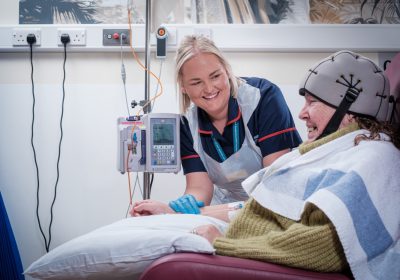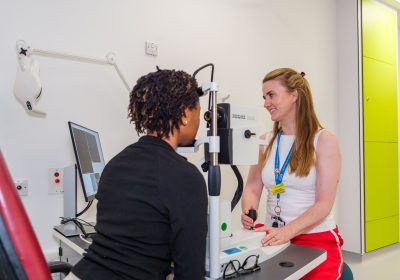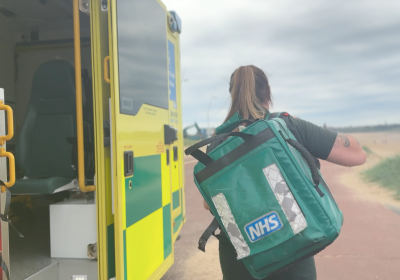
The National Cancer Patient Experience Survey for 2025 shows patients rate their overall care at South Tyneside and Sunderland NHS Foundation Trust (STSFT) as a strong nine out of ten.
This is above the national NHS average and in the top 35% of all trusts nationally.
STSFT is a major provider of cancer services in the region, providing support for a range of cancers, as well as more specialist care for people who have head and neck or male cancers.
The latest results reflect STSFT’s continued commitment to improving services for people living with and being treated for cancer. The feedback, from over 900 local patients, is about their experience of diagnosis, treatment and support.
92% of patients felt their whole care team worked well together at STSFT and 90% said the administration of their care (how it was organised) was very good or good.
The trust achieved better than expected results in a total of 19 areas of cancer care*. This included how sensitively diagnoses are communicated, the support provided by care teams, access to information about treatment side effects, and how effectively services work together to coordinate care.
Patients also felt waiting times for diagnostic test results and cancer treatment appointments were about right, while many highlighted the support they received at home from community and voluntary services.
Caroline Tweedie, the trust’s Macmillan Lead Cancer Nurse, said: “We want to thank every patient who took the time to share their views. Behind every response is someone who has gone through, or is still having, cancer care. We are with them, and their loved ones, every step of the way.
“This survey asks people lots of questions and this helps guide us on where we need to improve care even further.
“We are proud that our patients continue to recognise the high-quality care and support they receive from us throughout their cancer journey. We’re also delighted to see we performed better than the national scores across so many areas.
“These results reflect the dedication, compassion and professionalism of our cancer teams. They work hard to make sure every patient feels informed, supported and cared for at every stage of their cancer experience.”
The 2025 results reflect improvements made in response to feedback from the 2024 survey. Over the past year, STSFT has strengthened its holistic needs assessments, helping staff better understand and respond to patients’ physical, emotional and practical needs. This work has been particularly focused within the Trust’s Emergency Departments and Emergency Assessment Units.
Access to rehabilitation and personalised care services has also been expanded, with additional support introduced for people who have completed treatment and those living with treatable, but not curable, cancer.
Following feedback about parking difficulties when attending chemotherapy appointments, dedicated parking spaces have been introduced and can now be booked through the trust’s Cancer Information Centres. The initiative has helped reduce stress and anxiety for patients undergoing treatment.
Staff training and education has increased so they can direct people to the right help. The trust also has a dedicated Cancer Information Hub to help support people.
The National Cancer Patient Experience Survey is carried out every year across England. It provides valuable insight into patients’ experiences and helps NHS organisations identify what matters most to people receiving cancer care and where improvements can be made.
*Key areas where STSFT scored above the national average.
| STSFT score | National score |
| Diagnostic tests | |
| 85% of patients they waited the right length of time for test results | 78% |
| Finding out they had cancer | |
| 87% of patients were told they could have someone with them | 83% |
| 79% felt they were told sensitively that they had cancer | 75% |
| 89% felt they were told about their diagnosis in an appropriate place | 86% |
| 89% were told they could return for more info about their diagnosis | 85% |
| Support in hospital | |
| 95% of patients had a main point of contact within their care team | 91% |
| 81% felt they had the right support for their overall health and wellbeing | 77% |
| 77% were offered info about how to access financial help or benefits | 71% |
| 85% felt they could always discuss worries and fears with hospital staff | 80% |
| Treatment and side effects | |
| 92% of patients felt waiting times at clinics / day units was about right | 80% |
| 77% had possible side effects explained in a way they understood | 74% |
| 77% were offered practical advice on dealing with side effects | 71% |
| 91% were given information about support available to help manage immediate side effects from treatment | 88% |
| 62% were able to discuss options to manage long-term side effects | 56% |
| Support living with and beyond cancer | |
| 62% of patients got enough care and support at home from community or voluntary services | 54% |
| 53% got the help and support they needed from their GP practice | 45% |
| 41% got enough emotional support at home from community or voluntary services | 33% |